At a glance
What is TMS?
Brain stimulation using magnetic waves and pulses to change electrical activity in the brain
Conditions treated
Parkinson’s, depression, migraine, addiction, memory loss, anxiety, tinnitus, stroke recovery and more
Understanding Brain Function and TMS
The brain is a network of trillions of neuronal connections controlling our conscious and unconscious actions. This network relies on electrical impulses spreading along nerve fibers, with different regions responsible for feelings, vision, hearing, muscle movement, and information processing.
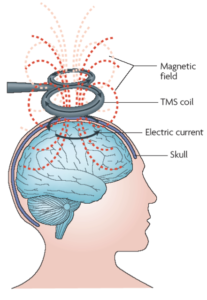
Transcranial magnetic stimulation (TMS) uses magnetic pulses to change electrical events in the brain. By stimulating neurons in specific brain areas, TMS increases activity and communication between brain cells, forming necessary neural networks.
Conditions Treated with TMS
TMS is used to treat numerous neurological and psychiatric disorders:
- Parkinson’s Disease - Depression, fatigue, and negative symptoms of schizophrenia - Migraine headaches - Addiction (smoking, alcohol, drugs) - Memory loss and Alzheimer’s disease - Generalized anxiety and panic disorder - Tinnitus and auditory hallucinations - Stroke recovery and treatment of paralysis
TMS vs. Electroconvulsive Therapy (ECT)
Unlike electroconvulsive therapy, which distributes electrical currents throughout the brain with risk of memory loss, TMS targets specific brain areas. This targeted approach produces minimal side effects compared to ECT’s potential risks, making it a safer alternative.
TMS Treatment Session
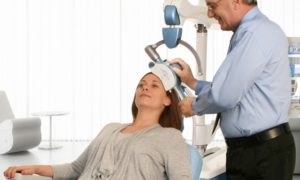
During a TMS session, the patient sits in a comfortable chair while a coil above the head delivers painless magnetic pulses. The coil stimulates neurons in specific brain areas and can activate regions with reduced activity. Treatment requires daily sessions five times per week for 4-6 weeks.
**Timeline:** - First effects felt within 10 sessions (2-3 weeks) - Long-term effects after 4-8 weeks of intensive treatment - Few or no permanent side effects (possible temporary headaches or minor discomfort at stimulation site)
Need more information?
Reach out to our team for more details about the topics covered in this article.
This article provides general information and is not a substitute for professional medical advice. If you have specific health concerns, please consult with a healthcare provider.