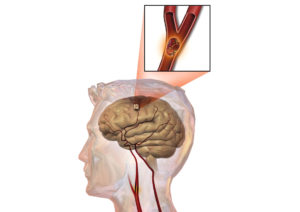
 Stroke is one of leading causes of disability in Iraq. Given the epidemic burden and complexity of requirements, there is significant need for comprehensive multidisciplinary rehabilitation centers.
Evidence shows that rehabilitation center(s) have significant role in improving quality of life and outcomes of stroke rehabilitation in Iraq.
Stroke leaves a challenging impact on individual’s functional status, psychological abilities,social interactions and financial wellbeing. Given the epidemic burden and complexity of requirements, there is significant need for comprehensive multidisciplinary rehabilitation centers for early,effective and empowered recovery.
Multi-Disciplinary Approach by experienced rehab team
medical monitoring, skilled nursing care, physiotherapy, occupational therapy, speech therapy, respiratory therapy, diet and nutrition and emotional wellness
The Key Objective of Stroke Rehabilitation
- Is to restore health in an individual through neurological recovery (mainly through neuroplasticity),
b. functional recovery with task-specific training and
c. improve the quality of life by focusing on emotional wellbeing.
The Primary steps of rehabilitation care which needs to be initiated within the first 90 days of Golden Period are,
- Base assessment & risk profiling– The recovery prognosis of a patient should be made as per the severity of the disease, by taking into account any co-morbidities including High blood pressure, Diabetes, Hypercholesterolemia and preventable risk factors like falls, aspiration, infections etc.
- Goal setting– A multidisciplinary team of care providers including physicians, speech therapists, occupational therapists, nurses, physiotherapists and dieticians should work with the family to set realistic and mutually agreeable goals for enhanced recovery.
- Regular evaluation– Performance indicators should be rigorously monitored to continue/ modify the care plan. Stroke affects differently in individuals and hence each care plan should be customized as per the individual’s condition.
- Empowerment– Soon after discharge from a critical care setting, depending on the intensity of the condition a stroke patient should decide to choose the next care setting. He/she should be advised to handle the disease/risk factors and ideally moved to an organized rehabilitation setting for an empowered and accelerated recuperation.
Rehabilitation Methods
The goal is as follows:
- Restore the affected part to its function.
- Reduce dependence on others.
These methods include all of the following:
(Rehabilitation – Physical – Adaptive – Mental – Social – Occupational – Speech)
1. Conventional (Mechanical) Therapy
- Teaching the patient the correct posture when sitting and lying down.
- Treatment of the joints of the affected part.
- Stretching exercises, strengthening exercises, and resistance exercises.
2. Physical Therapy
Stimulation of the nerve and muscle affected in the injured area.
- Includes various types of stimulation: FES, IDC, IF, TENS according to each case and situation.
- Cold laser, long wave, US, SAD.
- Running and walking exercises (slow – fast).
- Bio-feedback devices to make the patient more aware of the movement of the affected limb in order to develop its movement through signals reaching the brain, or by using mirrors.
3. Advanced Devices (Third Line of Treatment)
- Non-invasive brain stimulation (rTMS – brain cell stimulation device).
- Non-surgical interventions for spinal cord stimulation (epidural stimulation).
- Mechanical spinal traction device for herniated discs, nerve compression, and lower limb pain (SPIN MED).
- VR – computer programs (electronic games) in a virtual environment that help move the affected part.
4. Management of Stroke Complications
- Shoulder dislocation.
- Tendinitis and tendon rupture.
- Fluid accumulation and swelling.
- Treatment of spasticity (muscular – tendinous), including local injections using medications (BOTOX) or acupuncture.
- Bladder weakness and incontinence.
- Speech arrest or difficulty finding words.
- Post-stroke depression.