Arthritis
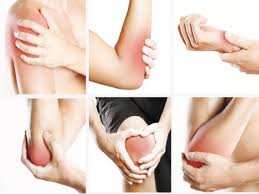
Arthritis is a condition that causes bone pain and worsens with age, and in this article we provide you with all the information you care about arthritis and its causes and symptoms, how to treat, as well as its difference from rheumatism reading intervals.
Overview
Arthritis is an inflammation that can affect the knees, palm joints, or part of the spine, or any other major joint such as the shoulders. It can be infected at any age, but it’s common in the elderly.
Types
- Idiopathic arthritis
- Spondylitis
- Septic arthritis
- Reactive arthritis
- Rheumatoid arthritis
- Psoriatic arthritis
- Thumb arthritis
- Osteoarthritis (bone wear)
- Gout
- Joint infection
The two most common types of arthritis are Osteoarthritis and Rheumatoid arthritis. Osteoarthritis causes cartilage damage — cartilage is the hard and slippery tissue that covers the ends of the bones — where the joint is formed. Rheumatoid arthritis is an autoimmune disorder that first affects the lining of the joints (synovial membrane).
Less common types of arthritis may be the result of other medical problems, affecting other parts of the body, such as lupus, which can affect the kidneys, lungs and joints, psoriasis, which is mainly a skin disease, sometimes affecting the joints as well.
Causes
The two main types of arthritis — osteoarthritis and rheumatoid arthritis — damage the joints in different ways.
Osteoarthritis
Osteoarthritis, the most common type of arthritis, includes damage caused by wear and tear in the cartilage of the joint — the smooth, hard layer that covers the ends of the bones. Severe damage can lead to bone grinding directly on bone, causing pain and restricting movement. This wear and tear can occur over several years, or joint injuries or inflammation can accelerate the incidence.
Rheumatoid arthritis
The body’s immune system attacks the lining of rheumatoid arthritis that encapsulates the joint capsule. The lining is a powerful membrane that encapsulates all parts of the joint. This lining, known as the synovial membrane, becomes inflamed and swollen. The disease can eventually lead to cartilage and bone damage within the joint.
Symptoms
The most common signs and symptoms of arthritis are related to the joints. Signs and symptoms depending on your arthritis type may include:
- Soreness
- Stiffness
- Swelling
- Redness
- A decrease in range of motion
Some (specific) types of arthritis have symptoms and signs affecting other organs of the body. These symptoms include:
- Fever
- Fatigue
- Rash
- Low weight loss
- Breathing problems
- Dryness of the eyes and mouth
- Mouth ulcers and genital ulcers
- Mood changes and emotional state changes
Risk factors
Risk factors for arthritis include:
- Genetics: Some types of arthritis are common in families, so you are more likely to develop arthritis if your parents or siblings have the disorder. Genetic sequencing can make you more vulnerable to the effects of environmental factors that may trigger arthritis.
- Age: The risk of many types of arthritis — including osteoarthritis, rheumatoid arthritis and gout — increases as a result of aging.
- Gender: Rheumatoid arthritis is more likely in women than men, while men make up the majority of people with gout, another type of arthritis.
- Previous joint injury: People who have been injured in the joint earlier, such as while playing a sport, eventually develop arthritis in that joint.
- Obesity: Excess weight puts strain on the joints, especially the joints of the knees, hips and spine. Obese people have a high risk of arthritis.
Complications
Severe arthritis can make it difficult to do everyday tasks, especially if it affects your hands or arms. Arthritis in the body joints responsible for carrying body weight may prevent you from walking comfortably or sitting down moderately. In some cases, joints may become twisted and deformed.
The therapeutic method
Treatment of arthritis focuses on relieving symptoms and improving joint functioning. Early diagnosis of the disease and establishing a proper treatment plan ensures control and prevents recurrent disease activation through the following therapeutic methods:
- Medications
Medications used to treat arthritis vary depending on the type of arthritis. Drug therapy includes:
- Corticosteroids
- Non-steroidal anti-inflammatory drugs
- Chemotherapy in its various forms
- Biological therapy
- Vitamin and mineral supplements
- Antidepressants prescribed according to the condition when needed
- Physical Therapy
Physical therapy can be helpful in some types of arthritis. Exercise can improve mobility and strengthen the muscles around your joints. In some cases, the use of splints and stents may be permitted.
After taking the radiographic images required according to the affected joint and the degree of injury, physical therapy is recommended for its positive effect on all joint components with different compositions and improvement of its function without any side effects.
Physical therapy targets:
- Removal of synovial joint fluid inflammation
- Improvement of bone surface alignment
- Cartilage regeneration
- Increased joint mobility and removal of strain
- Reduction of swelling and pain
Using various physical therapy devices, starting with:
- Stimulation devices (used in their various types) to strengthen muscles, stimulate nerves, regenerate cartilage, remove inflammation in its various forms
- Radiofrequency waves
- Cold laser waves
- Sigma shock waves (segma technique)
- Devices to improve blood circulation
- Mechanical therapy: which includes
- All static and dynamic exercises (with or without resistance)
- Muscle stretching and strengthening and removal of joint strain through special exercises for each case or use of assistive devices
- Acupuncture therapy: By puncturing needles within specific meridians to reduce pain and improve joint movement
- Surgery
If conservative measures are not helpful, your doctor may suggest surgery, including:
- Joint repair: In some cases, joint surfaces can be softened or repaved to reduce pain and improve functional effectiveness. Such types of procedures can be performed with arthroscopy — by making small openings above the joint.
- Joint replacement: The damaged joint is removed and replaced with an artificial joint. The joints of the hips and knees are commonly replaced joints.
- Joint fusion: This procedure is often used with smaller joints such as wrists, ankles and fingers. During this procedure, the joint bone ends are removed and the ends are combined until they heal in one fixed unit.
- Lifestyle and home remedies
In many cases, arthritis symptoms can be reduced by taking the following measures:
- Weight loss: If you are obese, getting rid of weight will reduce the pressure on the weight-bearing joints. This may increase your mobility and reduce future joint injury.
- Exercise: Regular exercise can help maintain joint flexibility. Swimming and water aerobic exercise may be a good option because the ability to float on water reduces the pressure on the weight-bearing joints.
- Heat and cold: Hot compresses or ice compresses may help relieve arthritis pain.
- Assistive devices: The use of crutches, walkers, high toilet seats and other assistive devices can help protect your joints and improve your ability to perform everyday tasks.