At a glance
BDNF role
Brain-derived neurotrophic factor important for neuronal plasticity, synaptic plasticity and memory
rTMS mechanism
Stimulates brain plasticity by activating BDNF and promoting adult neurogenesis and hippocampal connections
rTMS and Brain Plasticity
Brain-Derived Neurotrophic Factor (BDNF) has an important role in neuronal plasticity. Research shows that the combination of rehabilitation and low-frequency rTMS improves motor function in affected limbs by activating BDNF.
Adult neurogenesis plays critical roles in synaptic plasticity and memory formation. Studies show that rTMS stimulation increases adult neurogenesis. In preclinical studies of vascular dementia models, rTMS improved cognitive deficits by modifying hippocampal synaptic plasticity and increasing BDNF expression.
Low-frequency rTMS promotes hippocampal synaptic plasticity through increased expression of neuroprotective Bcl-2 and reduced expression of pro-death Bax proteins. These mechanisms suggest rTMS could restore impaired brain plasticity in dementia patients.
Clinical Evidence in Alzheimer's Disease
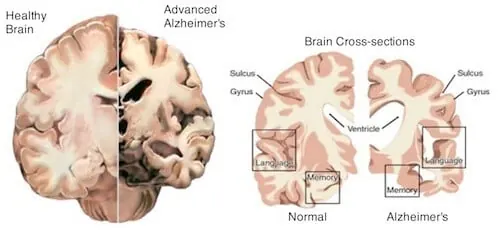
Cortical excitability is increased in both Alzheimer's disease and vascular dementia. In Alzheimer's disease specifically, short-latency afferent inhibition is suppressed—a marker of reduced cortical inhibition.
Bentwich et al. combined rTMS with cognitive training in Alzheimer's disease patients already treated with cholinesterase inhibitors for more than two months. Patients received daily rTMS cognitive training sessions (5 sessions per week) for 6 weeks, followed by maintenance sessions (2 per week) for an additional 3 months.
Results demonstrated significant improvement in the Alzheimer Disease Assessment Scale-Cognitive (ADAS-Cog) after 6 weeks of treatment, suggesting rTMS combined with cognitive training can meaningfully improve cognitive function in Alzheimer's patients.
Need more information?
Reach out to our team for more details about the topics covered in this article.
This article provides general information and is not a substitute for professional medical advice. If you have specific health concerns, please consult with a healthcare provider.