At a glance
What is rTMS?
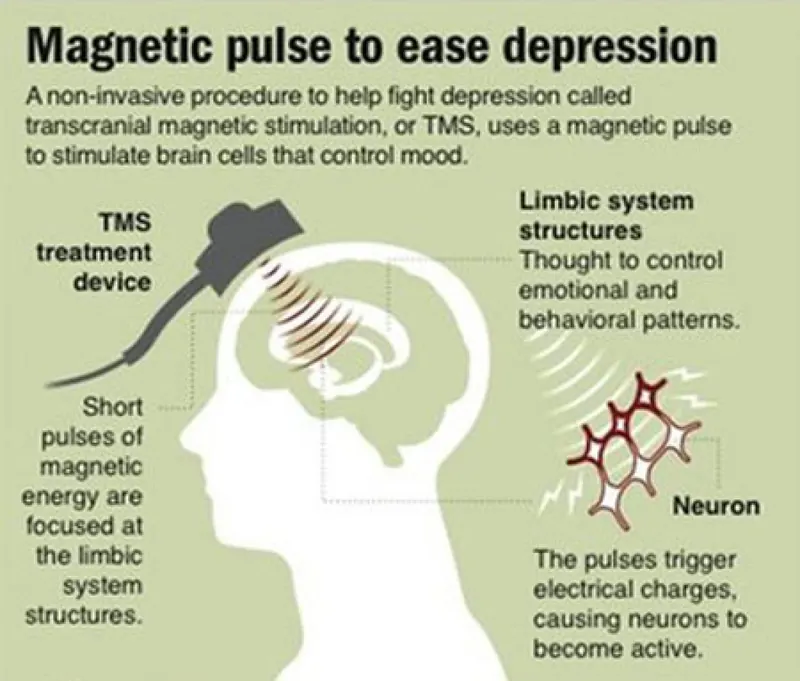
Repetitive transcranial magnetic stimulation—latest therapeutic method using magnetic field pulses delivered through scalp coil
FDA approval
Approved 2008 for treatment-resistant depression when antidepressants have failed
Conditions Treated with rTMS
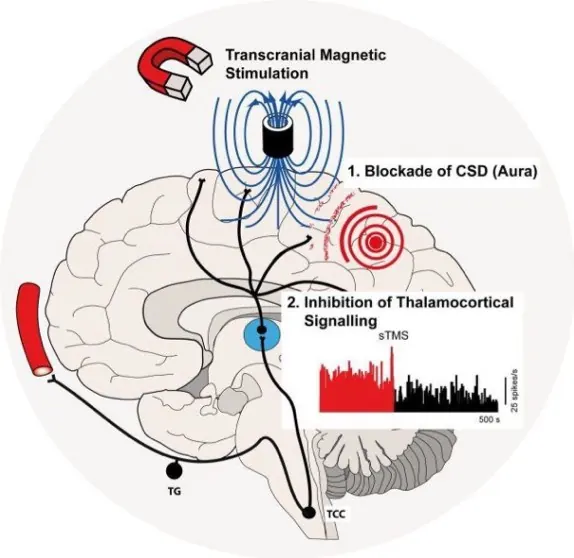
Repetitive transcranial magnetic stimulation (rTMS) is one of the latest therapeutic methods for treating various psychiatric and neurological disorders including: depression, anxiety, attention deficit, schizophrenia, post-traumatic stress disorder, obsessive-compulsive disorder, bipolar disorder, tinnitus, neuropathic pain, migraine, stroke, epilepsy, and Parkinson's disease.
rTMS is non-invasive, delivering repetitive magnetic pulses from a coil placed over the scalp. The magnetic field passes through the skull unimpeded and stimulates brain tissue beneath, inducing electrical currents that help normalize activity in stimulated areas without producing seizure activity.
FDA Approval and Depression Treatment
The FDA approved rTMS in 2008 as a treatment for mildly treatment-resistant depression—for patients who haven't found relief from antidepressant medication. It has also been studied for schizophrenia, pain, stroke, and amyotrophic lateral sclerosis (ALS).
Antidepressant medications and psychotherapy are first-line depression treatments, but they don't work for all patients. In these cases, rTMS might be used as an alternative treatment or to augment existing medications or therapy. Patients who failed to respond to antidepressants or cannot tolerate medications may consider rTMS therapy.
Historical Context
TMS was introduced in 1985 based on technology for experimentally probing brain activity. It was initially hoped to offer similar benefits to electroconvulsive therapy (ECT) without its drawbacks like memory impact. ECT is still used for patients unresponsive to antidepressants and requires general anesthesia to limit discomfort from induced convulsions.
By contrast, rTMS is administered while the patient is awake and reclining in a specially equipped chair.
Treatment Schedule
rTMS sessions typically last 20-40 minutes and are conducted five days a week, usually for six weeks. This outpatient-friendly schedule allows patients to maintain their regular activities while undergoing treatment.
Clinical Outcomes
In open-label clinical trials, after 4-6 weeks of rTMS treatment for depression:
- One out of two patients experienced 50% or greater reduction in symptoms - One out of three experienced complete remission - Effectiveness was lower in patients resistant to multiple antidepressants
Long-term Effects and Broader Applications
The therapeutic effect has been reported to last at least six months, with intermittent maintenance sessions available to prevent relapse. After initial daily treatment, patients require ongoing monitoring and maintenance therapy as needed, which may include medications.
rTMS clinical trials show it is generally safe and well-tolerated. Due to its non-invasive nature and minimal lasting side effects, it has been studied for treating unipolar major depression (strongest evidence), schizophrenia (reducing auditory hallucinations and negative symptoms), Parkinson's disease, dystonia, tinnitus, anxiety, migraine, eating disorders, bipolar disorder, pain, stroke, and ALS.
Need more information?
Reach out to our team for more details about the topics covered in this article.
This article provides general information and is not a substitute for professional medical advice. If you have specific health concerns, please consult with a healthcare provider.