At a glance
What it is
Pain and dysfunction in the temporomandibular joint — the sliding hinge connecting the jawbone to the skull. One joint on each side of the jaw.
Symptoms
Jaw pain, earache, facial aching, difficulty or pain while chewing, and locking of the jaw. A clicking or grating sound is common.
Approach
Most cases resolve with conservative treatment. Injections (Botox, corticosteroids, ozone) and physiotherapy are the first approach; surgery is a last resort.
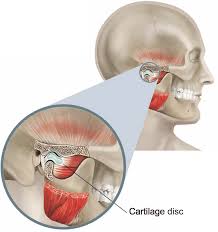
What TMJ disorders are
The temporomandibular joint (TMJ) acts like a sliding hinge, connecting the jawbone to the skull — one joint on each side of the jaw. TMJ disorders (also called temporomandibular disorders, or TMD) cause pain in the jaw joint and in the muscles that control jaw movement.
The exact cause is often difficult to determine. Contributing factors include genetics, arthritis, or jaw injury. Some people with jaw pain also clench or grind their teeth (bruxism), though many people who grind their teeth never develop a TMJ disorder.
**Symptoms** of TMJ disorders may include:
- Pain or tenderness of the jaw - Pain in one or both temporomandibular joints - Aching pain in and around the ear - Difficulty or pain while chewing - Aching facial pain - Locking of the joint, making it difficult to open or close the mouth - Clicking or grating sensation when opening the mouth or chewing
In most cases, pain and discomfort are temporary and respond well to conservative, non-surgical treatment. Surgery is a last resort after other measures have failed.
Treatment options at Alimran Medical Center
Injection therapies
- Botox® injections
- Corticosteroid injections
- Ozone injection
- Prolotherapy
Advanced therapies
Physiotherapy
- Electrical stimulation
- Short and long wave therapy
- Laser therapy
- Ultrasound therapy
- Magnetic therapy
- Therapeutic exercises
Book a consultation
The secretary schedules first appointments during clinic hours; please have prior imaging, operative notes and a current medication list available at the time of the call.
This page provides general information about temporomandibular joint (tmj) disorders and is not a substitute for individual medical assessment. If your symptoms are severe or worsening, contact a clinician promptly.