At a glance
What it is
A progressive joint disorder causing pain and stiffness in the hip. The five main types affecting the hip are osteoarthritis, rheumatoid arthritis, ankylosing spondylitis, systemic lupus erythematosus, and psoriatic arthritis.
Symptoms
Pain in the hip, groin, outer thigh, or buttock — typically worse in the morning and after prolonged activity. Stiffness, limited range of motion, and walking with a limp. Fatigue may occur with inflammatory types.
Approach
No cure. Goals are pain relief, preservation of joint function, and delaying surgical intervention. Physiotherapy, injection therapies, radiofrequency, and lifestyle modification are the main non-surgical options.
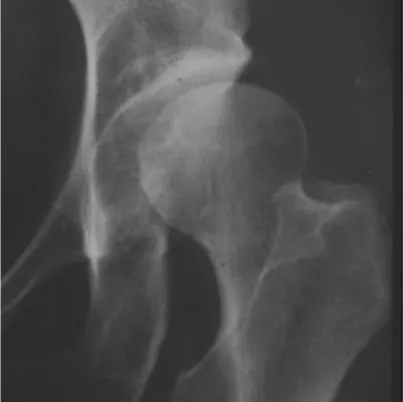
What arthritis of the hip is
Arthritis means inflammation of the joint. In the hip, it describes a group of conditions that progressively damage the ball-and-socket joint formed by the femoral head (thigh bone) and the acetabular socket (hip socket). The joint surfaces are normally lined with smooth cartilage that allows frictionless movement. When cartilage wears away or becomes inflamed, the rough bone surfaces grind against each other, causing pain and eventual joint damage.
**The five main types affecting the hip:**
**Osteoarthritis** — the most common type. Progressive wear-and-tear of cartilage, typically in older adults. Associated with structural hip problems (hip dysplasia, femoroacetabular impingement), advancing age, obesity, and prior hip injury.
**Rheumatoid arthritis** — an autoimmune disease in which the immune system attacks the joint lining, causing inflammation in both hips simultaneously. Associated with fatigue and systemic symptoms.
**Ankylosing spondylitis** — primarily a spinal condition, but can affect the hips and cause progressive stiffness.
**Systemic lupus erythematosus (SLE)** — an autoimmune condition that can cause hip joint inflammation and avascular necrosis of the femoral head.
**Psoriatic arthritis** — inflammatory arthritis associated with psoriasis; may affect one hip but not the other.
**Symptoms** common to all types: - Pain in the hip joint, groin, outer thigh, or buttock - Worse in the morning and after prolonged activity; eases somewhat with movement - Walking with a limp; difficulty with daily activities - Stiffness and reduced range of motion - With rheumatoid arthritis and lupus: fatigue and generalised weakness
**Non-surgical management** focuses on pain relief, joint protection, and preserving function. Lifestyle modifications — weight management, activity modification to reduce hip loading, and appropriate exercise to build supporting muscle — complement medical treatment.
Treatment options at Alimran Medical Center
Injection therapies
- Trigger point injections
- Intra-articular steroid injections
- Ozone injection
- Prolotherapy
Advanced therapies
Physiotherapy & rehabilitation
- Electrical stimulation
- Short and long wave therapy
- Laser therapy
- Ultrasound therapy
- Strengthening and joint mobility exercises
- Sigma
Book a consultation
The secretary schedules first appointments during clinic hours; please have prior imaging, operative notes and a current medication list available at the time of the call.
This page provides general information about arthritis of the hip and is not a substitute for individual medical assessment. If your symptoms are severe or worsening, contact a clinician promptly.