At a glance
What it is
Brief, intense episodes of dizziness or spinning triggered by specific head movements — caused by dislodged calcium crystals in the inner ear's semicircular canals.
Symptoms
Vertigo, dizziness, imbalance, nausea, and vomiting. Episodes last under one minute, may disappear for a period, then recur. Abnormal eye movements (nystagmus) are common.
Approach
Canalith repositioning (e.g. Epley manoeuvre) is the primary treatment and works within one or two sessions. Physiotherapy and rTMS support recovery when symptoms persist.
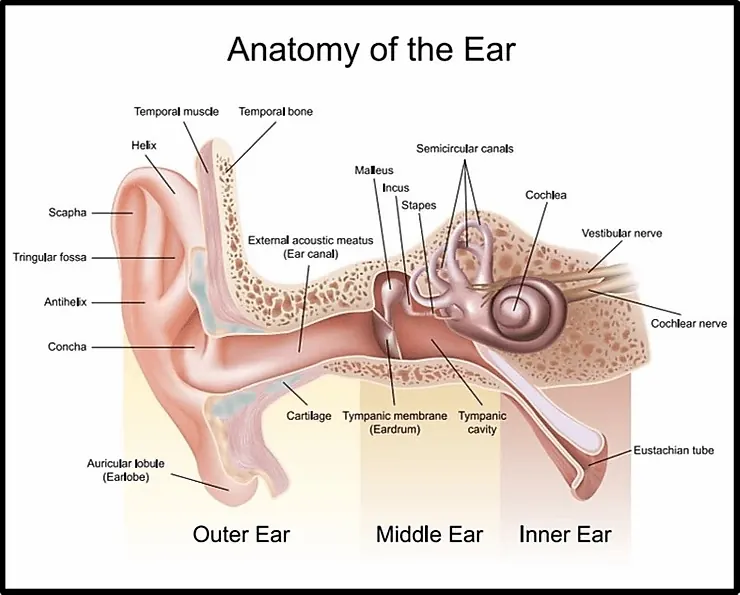
What BPPV is
Benign paroxysmal positional vertigo is one of the most common causes of vertigo — the sudden sensation that you or your surroundings are spinning. Episodes are brief, typically lasting under a minute, and are almost always triggered by a change in head position: tilting the head up or down, lying down, turning over in bed, or sitting up.
Although BPPV can be distressing, it is rarely dangerous unless it increases the risk of falls.
**Causes:** In many cases no cause is found (idiopathic BPPV). When a cause is identified, it is typically a minor to severe blow to the head. Less commonly, inner-ear disorders, ear surgery, or prolonged positioning on the back (such as in a dentist's chair) are responsible. BPPV is also associated with migraines.
**Key symptoms:** - Dizziness or the sensation of spinning (vertigo) - Loss of balance or unsteadiness - Nausea or vomiting - Abnormal, rhythmic eye movements (nystagmus) accompanying episodes
**Canalith repositioning:** The primary treatment, performed in the clinic, involves a series of slow, deliberate head positions designed to move displaced calcium crystals (otoliths) from the semicircular canals back into the vestibule, where they no longer cause symptoms. Each position is held for about 30 seconds. Most patients respond after one or two sessions.
Treatment options at Alimran Medical Center
First-line treatment
- Canalith repositioning manoeuvres
- Repetitive transcranial magnetic stimulation (rTMS)
- Transcranial direct current stimulation (tDCS)
Injection therapies
- Trigger point injections
- Epidural steroid injections
- Ozone injection
- Prolotherapy
Advanced therapies
Physiotherapy
- Electrical stimulation
- Short and long wave therapy
- Laser therapy
- Ultrasound therapy
- Magnetic therapy
- Therapeutic exercises
Book a consultation
The secretary schedules first appointments during clinic hours; please have prior imaging, operative notes and a current medication list available at the time of the call.
This page provides general information about benign paroxysmal positional vertigo (bppv) and is not a substitute for individual medical assessment. If your symptoms are severe or worsening, contact a clinician promptly.