At a glance
What it is
Nerve pain from the intercostal nerves that supply the ribcage — typically wraps around the trunk in a band-like distribution.
Common causes
Surgery or trauma, viral infections such as shingles, or idiopathic (no identifiable cause).
Approach
Physiotherapy first, then targeted injections and neuromodulation options for persistent or severe pain.
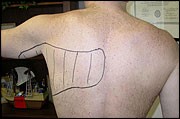
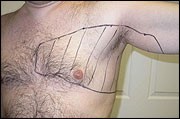
What intercostal neuralgia is
Intercostal neuralgia is caused by nerve compression in the abdominal area, near the ribcage. The intercostal nerves arise from the spinal cord and lie under each rib alongside the vein and artery, supplying the ribcage muscles, skin, and chest cavity. These nerves can be injured from surgery or trauma, from viral infections such as shingles, or idiopathically — with no identifiable cause.
Symptoms include spasmodic pain around the ribs. Because of the placement of the nerve, ordinary movements such as breathing, laughing, or sneezing can trigger the pain. Other symptoms include left-sided back pain, pain in the left side of the ribs, tingling, numbness, loss of appetite, and — in advanced cases — paralysis and atrophy of the muscles. In severe cases the pain feels like a lightning bolt and can extend to the back.
Treatment options at Alimran Medical Center
Physiotherapy & rehabilitation
Injection therapies
- Trigger point injections
- Epidural steroid injections
- Transforaminal injections
- Botox® injections
Advanced and neuromodulation
- Pulsed radiofrequency
- Acupuncture
- Prolotherapy
- Repetitive transcranial magnetic stimulation (rTMS)
- Spinal cord stimulation
Book a consultation
The secretary schedules first appointments during clinic hours; please have prior imaging, operative notes and a current medication list available at the time of the call.
This page provides general information about intercostal neuralgia and is not a substitute for individual medical assessment. If your symptoms are severe or worsening, contact a clinician promptly.