At a glance
What it is
Inflammation of the bursae — small fluid-filled cushioning sacs that reduce friction between bones, tendons, and muscles at joints. Most common in the shoulder, elbow, hip, and knee. Usually caused by repetitive motion or sustained pressure.
Symptoms
Pain that builds gradually or occurs suddenly (especially with calcium deposits). Stiffness, swelling, and redness over the affected joint. Pain worsens with movement or pressure on the area.
Approach
Most cases resolve with rest, ice, and analgesics. When conservative measures fail: steroid or ozone injections, physiotherapy, prolotherapy, and radiofrequency are the main options. Surgical drainage is rarely needed.
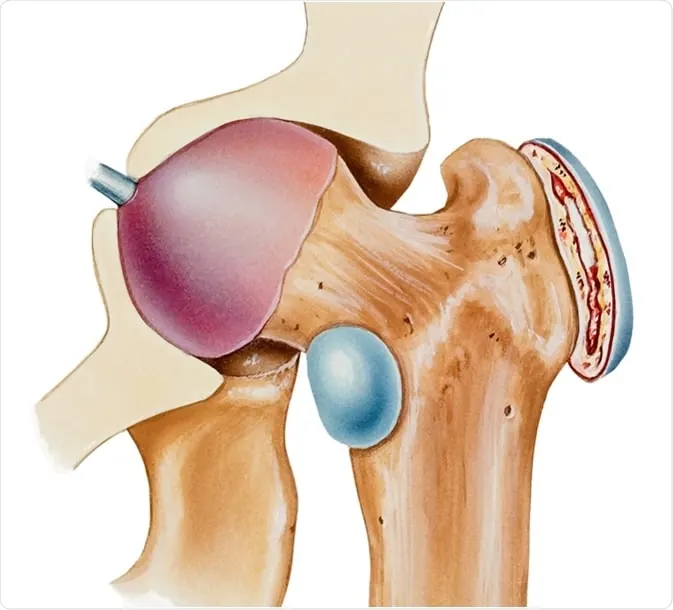
What bursitis is
Bursae are small, flat, fluid-filled sacs distributed throughout the body at points where tendons, muscles, or skin slide over bone. They act as cushions, minimising friction and reducing wear at high-pressure areas. When a bursa becomes inflamed — a condition called bursitis — the sac swells, filling with excess fluid and causing pain around the joint.
**Most commonly affected sites:** shoulder, elbow, hip, buttock, knee, Achilles tendon/heel.
**Causes and risk factors:** - Repetitive motion or sustained pressure on a joint (gardening, carpentry, tennis, golf, throwing) - Prolonged kneeling, leaning on elbows, or poor posture at work - Acute injury or trauma - Advancing age — tendons become less elastic and more vulnerable after 40 - Structural joint problems (leg length discrepancy, arthritis) - Systemic conditions: rheumatoid arthritis, gout, psoriatic arthritis, thyroid disorders - Infection with *Staphylococcus aureus* (septic bursitis)
**Symptoms:** - Pain that builds gradually or begins suddenly and severely (especially if calcium deposits are present) - Stiffness and aching at the affected joint - Swelling, warmth, and redness over the bursa - Pain worsens with direct pressure or movement
**Seek urgent care** if you have fever (>38.9°C/102°F), rapidly spreading redness and warmth, or systemic illness — these suggest septic bursitis, which requires antibiotics and may need surgical drainage.
Most non-infectious bursitis resolves within a few weeks with appropriate conservative management. Recurrence is common without addressing the underlying cause (e.g., repetitive activity or structural problems).
Treatment options at Alimran Medical Center
Injection therapies
- Steroid injections
- Ozone injection
- Prolotherapy
Advanced therapies
Physiotherapy & rehabilitation
- Electrical stimulation
- Short and long wave therapy
- Laser therapy
- Ultrasound therapy
- Magnetic therapy
- Therapeutic exercises
- Sigma
Book a consultation
The secretary schedules first appointments during clinic hours; please have prior imaging, operative notes and a current medication list available at the time of the call.
This page provides general information about bursitis and is not a substitute for individual medical assessment. If your symptoms are severe or worsening, contact a clinician promptly.