At a glance
What it is
Inflammation of one or both sacroiliac joints — where the lower spine connects to the pelvis. Often mistaken for general low back pain.
Symptoms
Buttock and lower back pain, sometimes extending to the legs or groin. Worsened by prolonged standing, stair climbing, running, or shifting weight onto one leg.
Approach
Targeted joint injections and radiofrequency to reduce inflammation; physiotherapy for strength and mobility; neuromodulation for persistent pain.
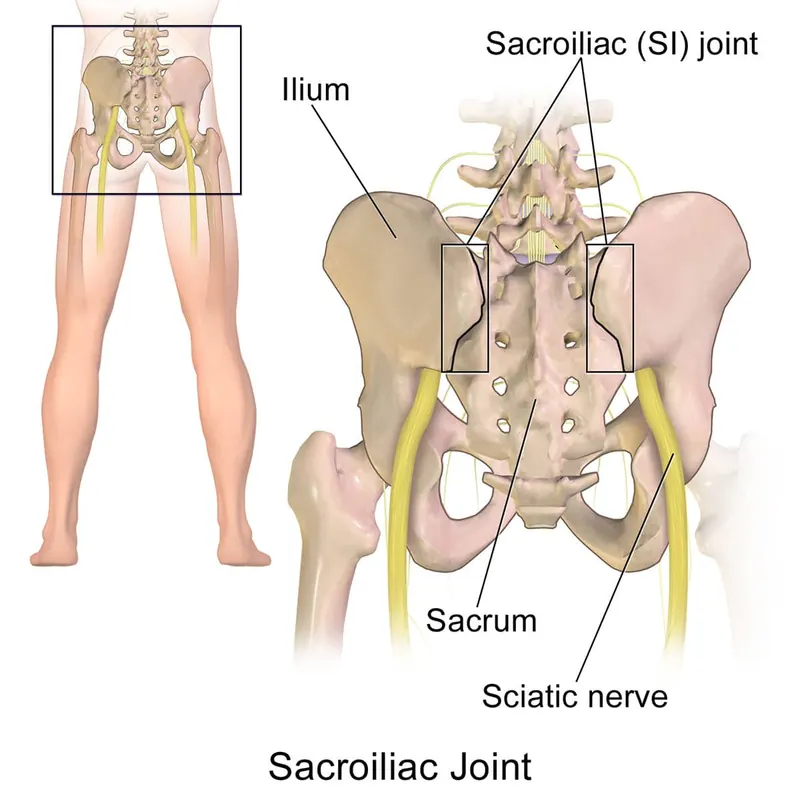
What sacroiliitis is
Sacroiliitis is inflammation of one or both sacroiliac joints — situated where the lower spine and pelvis connect. It can cause pain in the buttocks or lower back that extends down one or both legs. Prolonged standing or stair climbing typically makes the pain worse.
Because its symptoms overlap with other causes of low back pain, sacroiliitis can be difficult to diagnose. It is associated with a group of conditions that cause inflammatory arthritis of the spine.
**Causes** of sacroiliac joint dysfunction include:
- **Traumatic injury** — a sudden impact such as a fall or road accident can damage the joints. - **Arthritis** — both osteoarthritis and ankylosing spondylitis can affect the sacroiliac joints. - **Pregnancy** — the joints must loosen to accommodate childbirth; the added weight and altered gait during pregnancy can cause abnormal wear. - **Infection** — the joint can become infected in rare cases.
Treatment options at Alimran Medical Center
Injection therapies
- Corticosteroid joint injections
- Ozone injection
- Botox® injections
- Prolotherapy
Advanced therapies
Physiotherapy & rehabilitation
- Electrical stimulation
- Short and long wave therapy
- Laser therapy
- Ultrasound therapy
- Magnetic therapy
- Therapeutic exercises
- SpineMED® system
- Sigma
Book a consultation
The secretary schedules first appointments during clinic hours; please have prior imaging, operative notes and a current medication list available at the time of the call.
This page provides general information about sacroiliitis and is not a substitute for individual medical assessment. If your symptoms are severe or worsening, contact a clinician promptly.