At a glance
What it is
Inflammation or irritation of a tendon — most commonly from overuse or repetitive motion. Presents as pain and tenderness just outside a joint.
Common locations
Shoulders, elbows, wrists, knees, and heels. Includes conditions known as tennis elbow, golfer's elbow, swimmer's shoulder, and jumper's knee.
Approach
Rest and physiotherapy for most cases. Injections (corticosteroids, ozone, prolotherapy) and radiofrequency for persistent or severe tendinitis.
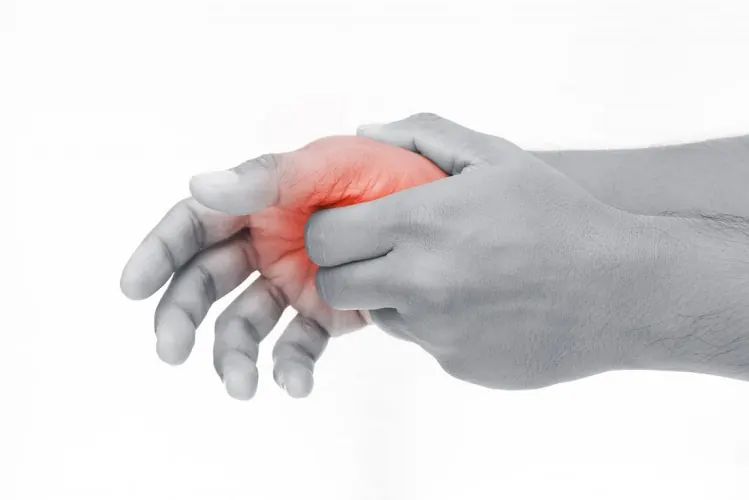
What tendinitis is
Tendinitis is inflammation or irritation of a tendon — the thick fibrous cords that attach muscle to bone. It causes pain and tenderness at the point where a tendon meets bone. While it can affect any tendon in the body, it most commonly occurs around the shoulders, elbows, wrists, knees, and heels.
**Symptoms:** - Dull ache, especially when moving the affected limb or joint - Tenderness to touch - Mild swelling
**Causes:** Although tendinitis can follow a sudden injury, most cases develop from repetitive movements over time — whether from work activities (frequent overhead reaching, forceful exertion, vibration) or sports (baseball, basketball, golf, swimming, tennis). Improper technique amplifies stress on the tendon.
**Risk factors:** Age reduces tendon flexibility. Certain occupations and sports with repetitive motion carry higher risk.
**Complications:** Without adequate treatment, chronic tendon irritation may cause tendon rupture (requiring surgery) or tendinopathy — degenerative changes with abnormal new blood vessel growth.
Treatment options at Alimran Medical Center
Physiotherapy
- Electrical stimulation
- Short and long wave therapy
- Laser therapy
- Ultrasound therapy
- Magnetic therapy
- Therapeutic exercises
Injection therapies
- Trigger point injections
- Epidural steroid injections
- Ozone injection
- Prolotherapy
Advanced therapies
Chiropractic care
Book a consultation
The secretary schedules first appointments during clinic hours; please have prior imaging, operative notes and a current medication list available at the time of the call.
This page provides general information about tendinitis and is not a substitute for individual medical assessment. If your symptoms are severe or worsening, contact a clinician promptly.