TMS for Tinnitus
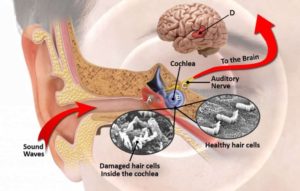
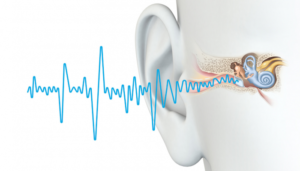
Tinnitus is a disturbing noise that is heard without any hearing stimulus, affects the quality of life of the individual, and leads to psychosocial problems. Its prevalence characteristically increases with aging. It is seen in 33% of the general population. Pathophysiology of tinnitus known to accompany nearly all disorders in auditory system has not been fully understood; therefore, there are some difficulties in evaluation and treatment thereof.
Despite the restrictive factors of tinnitus treatment, progress in auditory neuroscience provides a positive view of tinnitus treatment. Transcranial magnetic stimulation (TMS) is a method based on the stimulation of neuronal tissue without depending on the transfer of electrical current by means of electrodes or the skin.
TMS is used in the treatment of various diseases with developing neuroscience. In the recent years, the number of studies on TMS application with repetitive low frequency for the treatment of tinnitus has increased, and most of these studies have given successful results. Repetitive use of TMS in tinnitus is very novel.